Key Takeaways
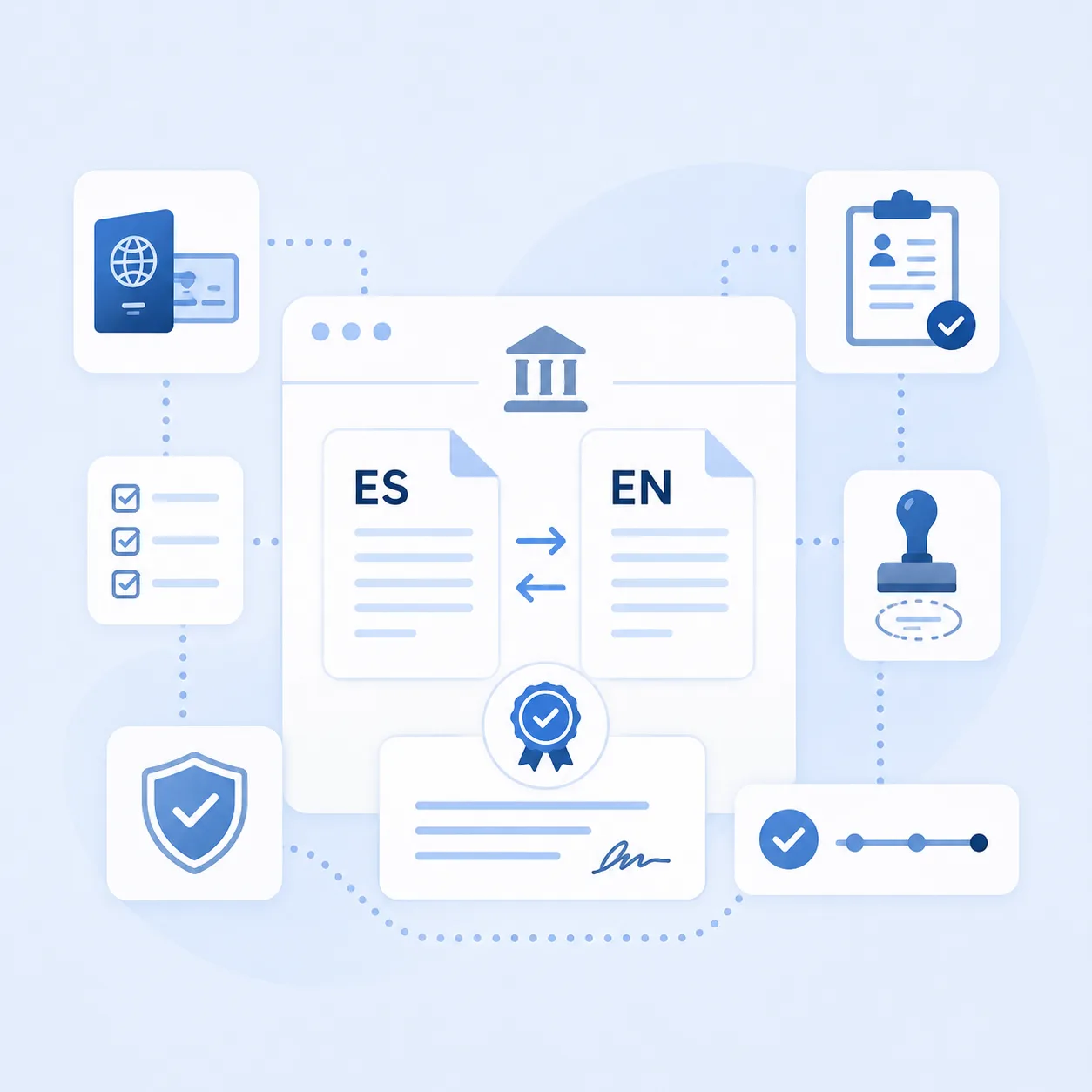
- Certified Spanish translation is essential for USCIS applications because all foreign-language documents must be translated into English before submission.
- A USCIS-compliant certified translation must be accurate, complete, and accompanied by a signed certification statement from the translator or translation service.
- Common documents that may require certified Spanish translation include birth certificates, marriage licenses, divorce decrees, academic records, police clearance certificates, affidavits, and supporting letters.
- Every detail in the original document must be translated faithfully, without additions, omissions, or changes that could affect the meaning.
- Using uncertified translators, relying on online translation tools, or omitting the certificate of accuracy can lead to delays, requests for evidence, or rejection.
- Spanish legal translation requires familiarity with legal terminology, immigration procedures, cultural context, and regional language differences.
- Choosing an experienced USCIS translation service helps reduce risk and keeps the immigration process more organized and compliant.
Navigating the USCIS immigration process can be daunting. Language barriers add another layer of complexity. Certified Spanish translation is crucial for Spanish-speaking applicants.
USCIS requires all foreign documents to be translated into English. This ensures clarity and accuracy in the immigration process. Certified translations are not just a formality; they are a necessity.
A certified translation includes a signed statement from the translator. This attests to the accuracy and completeness of the translation. It is a critical component of your immigration application.
Professional translation services offer expertise in legal terminology. They ensure that translations meet USCIS standards. This reduces the risk of delays or rejections.
Choosing the right translation service is vital. It can make a significant difference in your immigration journey. Trustworthy services provide peace of mind and compliance with USCIS requirements.
Understanding the importance of certified translations is the first step. It paves the way for a smoother immigration process.
Why Certified Spanish Translation is Essential for USCIS
Certified translations are a cornerstone of the USCIS immigration process. They ensure that all foreign documents are accurately represented in English. This is vital for maintaining transparency and understanding between applicants and immigration officials.
The accuracy of translated documents is crucial. Errors can lead to misunderstandings or even rejections of your application. A certified translation offers assurance of quality and fidelity to the original document.
USCIS has stringent requirements for document submissions. Certified translations must include a statement of accuracy signed by the translator. This certification serves as a legal guarantee that the translation is complete and faithful.
Professional translation services possess the expertise needed for complex legal terms. They accurately convey the original document's intent and meaning. Using such services minimizes risks associated with incorrect translations.
To summarize, here are key reasons why certified translations are vital:
Guarantee accurate representation of original documents.
Prevent delays and errors in the application process.
Comply with USCIS submission standards.
Provide assurance through a certified statement of accuracy.
Ensure legal terminology is used correctly and consistently.
In essence, certified translations facilitate a smoother, more reliable immigration process. They embody precision and integrity, both critical to successful USCIS interactions.
What Documents Require Certified Spanish Translation for USCIS?
Numerous documents need certified Spanish translations for USCIS applications. Ensuring these documents meet USCIS standards is essential for a successful immigration process. Properly translating critical documents helps avoid delays and rejections from the immigration authorities.
Key documents requiring translation typically include vital records and legal paperwork. These documents play a crucial role in the application process and must be accurately translated. Understanding which documents need translation is the first step in preparing your application.
Here’s a list of commonly required documents for USCIS applications:
Birth certificates
Marriage licenses
Divorce decrees
Academic records and diplomas
Police clearance certificates
Affidavits and supporting letters
These documents contain essential personal and legal information. Translating them with precision ensures USCIS officials accurately understand your circumstances. Missteps in translation can lead to significant issues with your application.
Each document must be a faithful representation of the original. It's important that translations convey the exact context and content without adding or omitting information. A certified translation provides this assurance by including a translator's sworn statement of accuracy.
USCIS Translation Requirements: What You Need to Know
Certified translations for USCIS must meet specific criteria to be accepted. Understanding these requirements is pivotal to avoiding delays. Proper compliance ensures your documents are processed smoothly by immigration authorities.
The USCIS mandates that all translations be accurate and complete. Every translated document needs a signed statement from the translator or translation service. This statement confirms the translation’s accuracy and completeness.
The translation must include:
A certification of accuracy signed by the translator
The translator’s qualifications and contact details
A declaration of the translator’s competence
Translators should be proficient in both Spanish and English. They must also understand the legal terminology used in the documents. Familiarity with cultural nuances enhances the accuracy of translations.
Ensure the translated documents are formatted similarly to the originals. The content must match exactly, preserving the original document's tone and intent. Any deviations could result in misunderstandings or misinterpretations.
It's worth noting that USCIS may reject translations not up to their standards. Double-check your translations for errors or omissions before submission. Certifying that translations meet these criteria protects against potential application setbacks.
The Certified Translation Process: Step-by-Step
Navigating the certified translation process is straightforward if you follow the correct steps. Starting with understanding your document’s requirements is crucial. Knowing which documents need translation ensures nothing is overlooked.
First, gather all the necessary documents that require translation. This typically includes birth certificates, marriage licenses, and academic records. Having all documents ready prevents last-minute scrambling.
Next, choose a reputable translation service experienced in USCIS requirements. Make sure they are familiar with immigration processes. An experienced service can provide guidance on common translation issues.
After selecting a translation service, submit your documents for translation. Professional translators will convert the content from Spanish to English. They ensure the original format and intent of your documents are preserved.
Once the translation is complete, review the document for accuracy. This review includes checking for typographical errors or missing information. A thorough review reduces the risk of the USCIS rejecting your translations.
Finally, receive the certification of accuracy from the translator or agency. Ensure that this includes their qualifications and contact information. This certification verifies the accuracy and completeness of the translation, aligning with USCIS standards. Following these steps facilitates a smoother immigration process and ensures compliance with USCIS requirements.
Choosing the Right USCIS Translation Service
Selecting the right translation service is key for a smooth immigration process. The wrong choice can lead to unnecessary delays and even rejections. Hence, it is crucial to be diligent.
Firstly, check the credentials of the translation service. Certified professionals with experience in USCIS guidelines are a must. They should have a proven track record of successful submissions.
It is also important to consider customer reviews and testimonials. Past client experiences can provide insights into the service’s reliability. Look for consistent praise about accuracy and timeliness.
Additionally, evaluate the range of services offered. A good service should handle diverse document types and offer various processing speeds. It's beneficial if they offer:
Certified translations with a statement of accuracy
Specialization in immigration and legal documents
Transparent pricing without hidden fees
Finally, ensure that communication is effective and accessible. A responsive service can address urgent concerns and provide updates. Choose a service provider that values clear and open interaction. Such considerations will help ensure your certified Spanish translations meet all USCIS requirements.
Common Mistakes to Avoid in Immigration Document Translation
Mistakes in document translation can have serious consequences for your immigration process. They may result in delays or even rejection by USCIS. Being aware of common pitfalls can help you avoid them.
One frequent mistake is using unqualified translators. Only certified professionals should handle translations for USCIS. They ensure compliance with strict accuracy standards. Similarly, relying on online translation tools can lead to errors in legal nuances and context.
Failing to include a signed certificate of accuracy is another oversight. USCIS requires this certification from translators. It must attest to the translation's completeness and precision. Ensure every translated document includes this statement to prevent avoidable issues.
Using uncertified translators
Relying on online translation tools
Omitting the certificate of accuracy
Avoiding these mistakes is key to a successful USCIS submission. Choose experienced professionals to steer clear of translation errors. This attention to detail can significantly aid your immigration journey.
Spanish Legal Translation: Why Expertise Matters
Spanish legal translation involves more than just language skills. Legal documents contain complex terminology. Precise understanding and translation of legal terms are crucial for USCIS submissions.
Expertise in legal translation bridges the gap between different legal systems. A seasoned translator understands both the source and target languages. This ensures documents retain their legal significance and context.
Professionals also grasp cultural nuances and regional dialects. These factors play significant roles in crafting accurate translations. Without expertise, crucial details can be lost, affecting the document's validity and your immigration application.
Understanding legal terminology
Bridging different legal systems
Capturing cultural nuances
Choosing a specialist in Spanish legal translation is an investment in your future. Experienced professionals ensure your translations meet USCIS standards. This expertise can streamline your application process, bringing peace of mind.
Frequently Asked Questions About USCIS Spanish Translation
Navigating USCIS requirements can be confusing. Many applicants have similar questions. Here, we address some common concerns.
What is certified translation? A certified translation includes a signed statement. The translator confirms the document's accuracy and completeness.
Who can provide certified translations? Only qualified translators or agencies should provide them. The applicant or family members cannot translate official documents.
Why not use online translation tools? Online tools can't guarantee accuracy or certification. USCIS needs certified and precise translations.
Here's a quick checklist of common queries:
What qualifies as a certified translation?
Who can certify translations?
Are online tools suitable for USCIS documents?
Understanding these FAQs can make the process smoother. Professional services offer reliable guidance. Consider consulting one to ensure compliance.
Tips for a Smooth USCIS Immigration Process with Certified Translations
Navigating the USCIS immigration process can be complex. Accurate translations play a vital role. Here are some tips to help streamline the process.
Start early to avoid rushing at the last minute. This ensures all documents are translated accurately and on time. Rushing can lead to mistakes.
Choose a reputable translation service. Look for one with USCIS expertise. Check reviews and ask for recommendations.
Consider these tips for success:
Begin translations early
Select experienced translators
Double-check the completed translations
By following these guidelines, you can reduce stress and potential delays. Proper preparation ensures a smoother experience. Investing time upfront can pay off with successful results.
Conclusion: The Value of Professional Spanish Translation for USCIS
Certified Spanish translations are crucial for a successful USCIS immigration process. They ensure compliance and help prevent unnecessary delays. Professional translators bring accuracy and understanding of complex legal terms.
Investing in expert translation services not only fulfills legal requirements but also aids in a smoother journey. The value of precision and expertise cannot be overstated when aiming for successful USCIS applications.