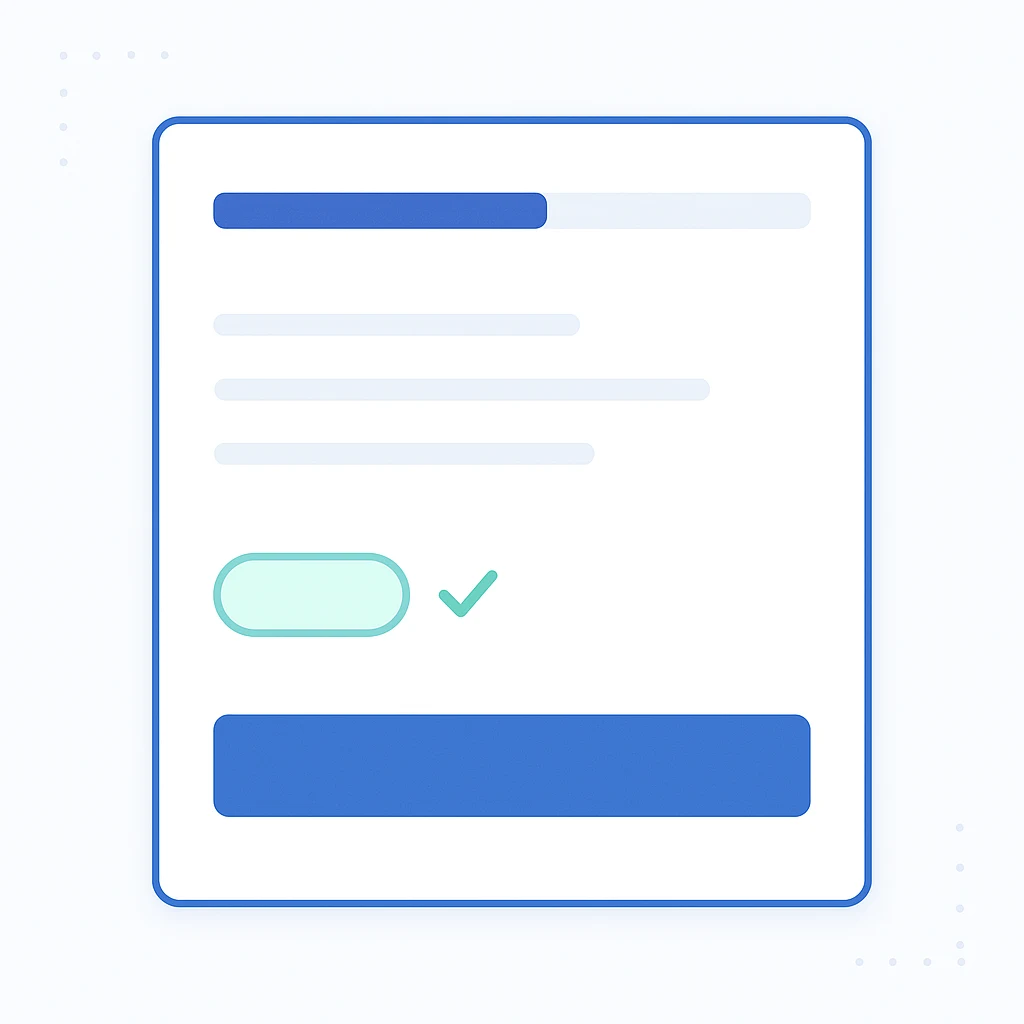
Request
Get your instant quote and place order
Enter the date, start time, the language and the kind of call. Add the court's rules in the notes. The price for the time you book shows right away.
Phone interpretation (OPI)Courts
Court-certified interpreters for status calls, short appearances and settlement conference calls, where the court allows phone. Get your quote in seconds, place your order, and you're all set.

Starting at $92.91
Per hour

Court-certified
Interpreters

HIPAA-aligned
All clinical sessions

Medically credentialed
CCHI and NBCMI certified interpreters
Request
Enter the date, start time, the language and the kind of call. Add the court's rules in the notes. The price for the time you book shows right away.

Match
Our dispatcher assigns a court-certified interpreter, and your clerk gets the name and credentials before the call.
Confirmed in your dashboard and by email

Phone (OPI)
Everyone dials in at the booked time, with no app or link, and the interpreter stays until the booked time ends.
Any phone, no app or link needed
The price shows before you book. Every session is covered by an NDA; clinical sessions are handled in line with HIPAA.
Book an interpreterCalls courts book
Where a court allows phone, these are the calls it books an interpreter for. The cards link to the page for that session by phone.

The interpreter dials in to the court's line so a party who speaks another language can follow a call that needs no documents on screen.
Typical calls

The interpreter dials in to the conference call, including the judge's private call with one side.
Typical calls

The interpreter dials in for calls in the court's mediation program, such as scheduling and short follow-up sessions.
Typical calls
Court calls
A court uses the phone for short calls where nobody needs to see a document, such as a status conference or a scheduling call, and only where its rules allow it. Phone also reaches a party who has no video or lives far away. The interpreter dials in from anywhere in the US, so a language nobody near the courthouse speaks can still be booked. A hearing with testimony or exhibits is better held on video or in the courtroom.
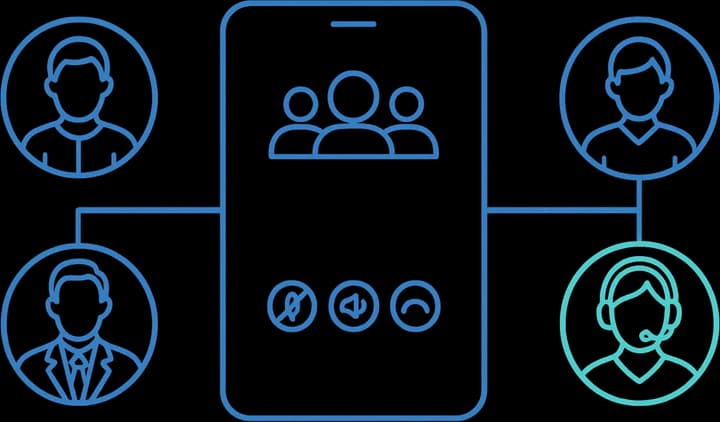
The judge runs the call, and the attorneys dial in with the parties. The party who speaks another language dials in from any phone, and the interpreter joins the same call. Once everyone is on the line, the interpreter can bring a third party onto it. In a mediation program call, the mediator takes the judge's place.
The interpreter makes the call as clear to the party as it is to everyone else. Nobody can see who is about to speak, so the interpreter keeps the turns clear, and each part is interpreted in full once the speaker pauses. They are neutral, keep the call confidential, and do not explain, advise or give opinions.
On a status call
Add the case name, the names of the parties and the judge's name to the booking notes, and the interpreter reads them before the call. Nothing can be shown on a phone line, so any document the call will go through should reach the participants beforehand. Give the dial-in number and access code to every participant ahead of the call.
On-site, video or phone
Phone suits the shortest calls, and only where the court allows it. Anything with testimony or exhibits belongs in another setting.

Book an interpreter in the courthouse for a hearing with testimony, or any hearing where the court wants the parties present.
On-Site Interpretation for Courts
Video fits a hearing where a party or a witness has to be seen, or where exhibits are shared on screen.
Video-Remote Interpretation for CourtsPhone fits a status call, a scheduling call or a short appearance where the court allows phone.
How it works

Enter your details and get your instant quote
Use the quote form to give the date, time and language, and pick the kind of call. The price for the booked time shows right away.

Place your order
Pay online to confirm. The dashboard then holds the dial-in number and access code, and you add the case name and any court rules there.

Dispatcher runs and assigns an interpreter
Our dispatcher assigns a court-certified interpreter and emails you the name and credentials before the call.

Join your session
At the booked time, each participant calls the number and enters the access code from any phone. The interpreter remains on the line for the time you booked.
What you receive
Every file and session is covered by an NDA and sent over an encrypted connection. Clinical matters are handled in line with HIPAA.
If you also need translations
Certified translations into English come from the same account as PDFs, so documents in another language can reach every participant before the call.
Contracts and text messages in another language, translated into English and sent to the court and counsel before the call.
Medical records from abroad that a party mentions on the call, translated so the judge can read them.
Financial statements and legal contracts, translated into English before a call about a civil case.


 Not in the list? We translate 37 document types, from passports and bank statements to patents, each with its own page and the same certification.Browse all documents
FAQ
The ones we hear most often, answered by our dispatch and project-management teams.
Can't find it here?
No. The court can use its own conference line, or you can share the dial-in number and access code from our confirmation.
Each court decides when remote interpreting is allowed. Tell us the court and the kind of call when you book.
We can change the booking to a video session, subject to the interpreter's availability.
No. Everyone dials in from any phone, with no app or link.
Phone bookings are priced by the time you book, and the total shows before you pay. Add time for the interpreting itself, because every part is said twice, and unused time is not refunded.
70 languages, into and out of English. Spanish, Mandarin, Arabic, Portuguese and Vietnamese are among the easiest to schedule, and rare languages such as Burmese or Pashto need more notice.
By language
One page per language, with the varieties we confirm at booking, the register the session needs and where that language is booked most.
Related interpretation services
Court-certified interpreters who dial in to your firm's client calls, witness calls and short conference calls.
ExploreCourt-certified phone interpreters for immigration intake calls, document requests and case updates.
ExploreCourt-certified interpreters for mediation follow-up sessions and client calls by telephone.
ExploreCourt-certified interpreters for settlement conference calls and client calls around them.
ExploreStart a project
Tell us the date, the time, the language and the kind of call. We confirm the interpreter's name and credentials before the call.


