
Presencial
Intérprete en el lugar
Un intérprete de nepalí certificado judicialmente o acreditado en el ámbito médico en el juzgado, la declaración, la entrevista de USCIS, el hospital, la escuela o el lugar de trabajo.
Presenciales en los 50 estados
Nepalíनेपाली200k+ hablantes en EE. UU.
Intérpretes de nepalí certificados judicialmente y acreditados en el ámbito médico para tribunales, hospitales, entrevistas de USCIS, escuelas y lugares de trabajo: presenciales en todos los estados, por video (VRI) y por teléfono (OPI).

Miembro de la ATA
American Translators Association

Certificados por tribunales
Intérpretes

Conforme a HIPAA
Todas las sesiones clínicas

Acreditación médica
Intérpretes certificados por CCHI y NBCMI
Vea también:Traducción certificada de nepalíTodos los servicios de nepalí
Presencial
Un intérprete de nepalí certificado judicialmente o acreditado en el ámbito médico en el juzgado, la declaración, la entrevista de USCIS, el hospital, la escuela o el lugar de trabajo.
Presenciales en los 50 estados

Video (VRI)
Interpretación por video para audiencias, declaraciones, entrevistas de USCIS, citas médicas, reuniones con padres y sesiones de RR. HH. con un intérprete de nepalí. Conforme a HIPAA para uso clínico; el enlace se añade a su proyecto.
Cualquier dispositivo, cualquier estado
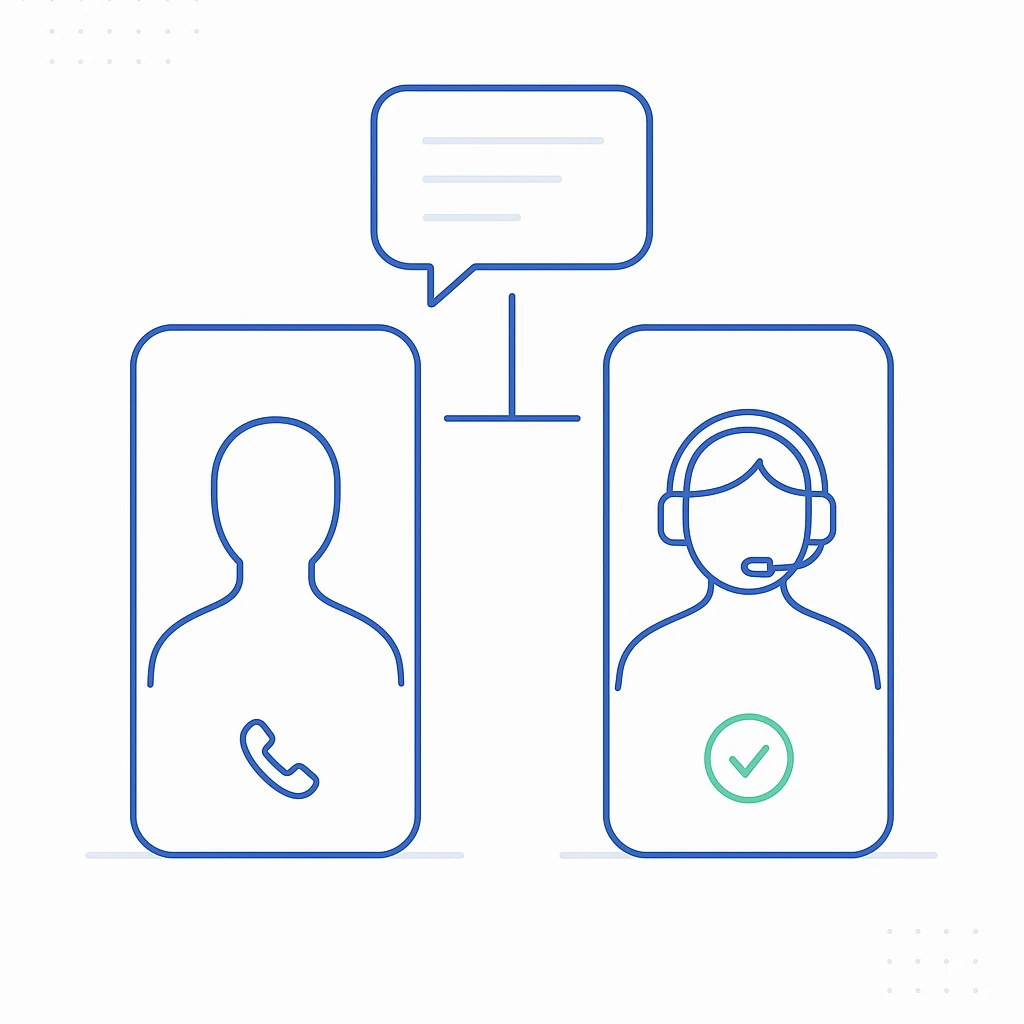
Teléfono (OPI)
Una llamada a tres con un intérprete de nepalí para llamadas de admisión, seguimientos, citas breves y consultas rápidas con un cliente, paciente o padre de familia.
Cualquier teléfono, cualquier estado
El precio se muestra antes de reservar. Cada sesión está protegida por un acuerdo de confidencialidad; las sesiones clínicas se tratan conforme a HIPAA.
Ámbitos que cubrimos en nepalí
Los ámbitos para los que más se reservan intérpretes de nepalí, según los encargos que despachamos.

Intérpretes de nepalí acreditados en el ámbito médico para citas, exámenes médicos independientes (IME) y atención hospitalaria, presenciales o por video conforme a HIPAA.
Los hospitales que reciben fondos federales deben ofrecer un intérprete cualificado.
Reservas habituales

Intérpretes de nepalí que han acompañado entrevistas de asilo, ajuste de estatus y naturalización en oficinas locales de USCIS de todo el país.
Los solicitantes de asilo y de ajuste de estatus llevan su propio intérprete.
Reservas habituales

Intérpretes de nepalí para reuniones de IEP (educación especial), casos de compensación laboral, investigaciones de RR. HH. y capacitaciones de personal.
exámenes médicos independientes, declaraciones grabadas y audiencias.
Reservas habituales
Cómo funciona

Indique los datos y reciba su cotización al instante
Fecha, lugar, duración y si necesita servicio presencial, por video (VRI) o por teléfono (OPI). El precio aparece al instante.

Haga su pedido
Pague en línea para confirmar. La reserva se abre en su panel.

El despachador se activa y asigna un intérprete
Nuestro despachador asigna un intérprete de nepalí acreditado según el ámbito y le confirma la asignación.

Únase a su sesión
La sesión se realiza de forma presencial, por video o por teléfono, y después recibe la factura.
Qué recibe
Cada archivo y cada sesión están cubiertos por un NDA y se transmiten por una conexión cifrada. Los asuntos clínicos se manejan conforme a HIPAA.
Si también necesita traducciones
Las traducciones certificadas al inglés de documentos en nepalí salen de la misma cuenta, entregadas en un PDF que puede imprimir o subir. Son las que piden los tribunales, USCIS, las clínicas y las escuelas.
USCIS exige una traducción completa al inglés con certificación firmada para cada documento en nepalí del expediente, y el oficial puede pedir ver los originales en la entrevista.
El intérprete traduce el testimonio de viva voz. Los contratos, declaraciones juradas, transcripciones previas y mensajes en nepalí se presentan como traducciones certificadas que el tribunal puede archivar.
Los carnés de vacunación, recetas y resúmenes de alta del extranjero pasan al expediente clínico en inglés; las mismas traducciones sirven para la matrícula escolar y las reclamaciones al seguro.
La matrícula, la ubicación y las admisiones se basan en expedientes y diplomas en inglés. El distrito se encarga de sus propias notificaciones en nepalí; la familia aporta los registros de la escuela anterior.


 ¿No está en la lista? Traducimos 37 tipos de documentos, desde pasaportes y extractos bancarios hasta patentes, cada uno con su propia página y la misma certificación.Ver todos los documentos
Cobertura
Elija su estado para la interpretación de nepalí allí: las sedes, las variedades que se hablan en la zona y la credencial que exige cada ámbito. Cada página estatal reserva con el mismo equipo.
Otros idiomas de interpretación
Interpretación de nepalí por estado
Preguntas frecuentes sobre nepalí
Las preguntas que escuchamos con más frecuencia, respondidas por nuestros equipos de despacho y gestión de proyectos.
¿No encuentra lo que busca?
Sí. Para asuntos legales y clínicos se asignan intérpretes de nepalí certificados para tribunales y con credenciales médicas: certificación federal, listas estatales, CCHI/NBCMI para medicina. Para comunidad, educación y empresa asignamos intérpretes profesionales capacitados y acordes a la materia.
Los hablantes butanés-nepalíes (Lhotshampa) y los hablantes de origen nepalí usan la misma lengua escrita, pero difieren en el registro hablado. Lo confirmamos al reservar.
Nuestros entornos de mayor volumen para interpretación en nepalí son tribunales estatales y federales, hospitales y clínicas, entrevistas de USCIS, declaraciones, reuniones IEP escolares y capacitaciones corporativas.
Sí. Las sesiones clínicas de VRI se realizan en una plataforma conforme a HIPAA, con un Acuerdo de Asociado Comercial (BAA) suscrito, medios cifrados, registros de auditoría y sin retención de grabaciones.
Servicios de interpretación relacionados
Intérpretes acreditados en el lugar, asignados por sede e idioma.
ExplorarSesiones de video programadas con un intérprete acreditado en Zoom, Teams, Meet o la sala de Texliff.
ExplorarSesiones telefónicas programadas con un intérprete acreditado, desde cualquier teléfono.
ExplorarPausar y traducir para reuniones, declaraciones y clínicas.
ExplorarListos cuando usted lo esté
Indíquenos el asunto, la sede y la duración. Asignamos y preparamos a un intérprete acreditado de nepalí, presencial, por video o por teléfono, según su sede y las credenciales que requiere su entorno.
Red de lingüistas
Explore intérpretes de nepalí seleccionados, disponibles a través de la red de Texliff.
4 perfiles profesionales
Intérprete
Nepalí: Arkansas, Luisiana, Nuevo México, Oklahoma, TexasHindi: Arkansas, Luisiana, Nuevo México, Oklahoma, Texas
Intérprete
Nepalí: Connecticut, Massachusetts, Nueva Jersey, Nueva York, Pensilvania, Vermont
Intérprete
Intérprete
Nepalí: Delaware, Maryland, Nueva Jersey, Nueva York, Ohio, Pensilvania, Virginia OccidentalBengalí: Delaware, Maryland, Nueva Jersey, Nueva York, Ohio, Pensilvania, Virginia Occidental


