Medically credentialed interpreters for dental consultations, treatment plan reviews and follow-ups by video. Get your quote in seconds, place your order, add your meeting link, and you're all set.
Enter the call date, start time, platform, the patient's language and the kind of conversation, such as a consultation. The price for the hours you book shows right away.
Zoom, Microsoft Teams, Google Meet or the Texliff room
What to know about video interpreters for dental offices
When video is used
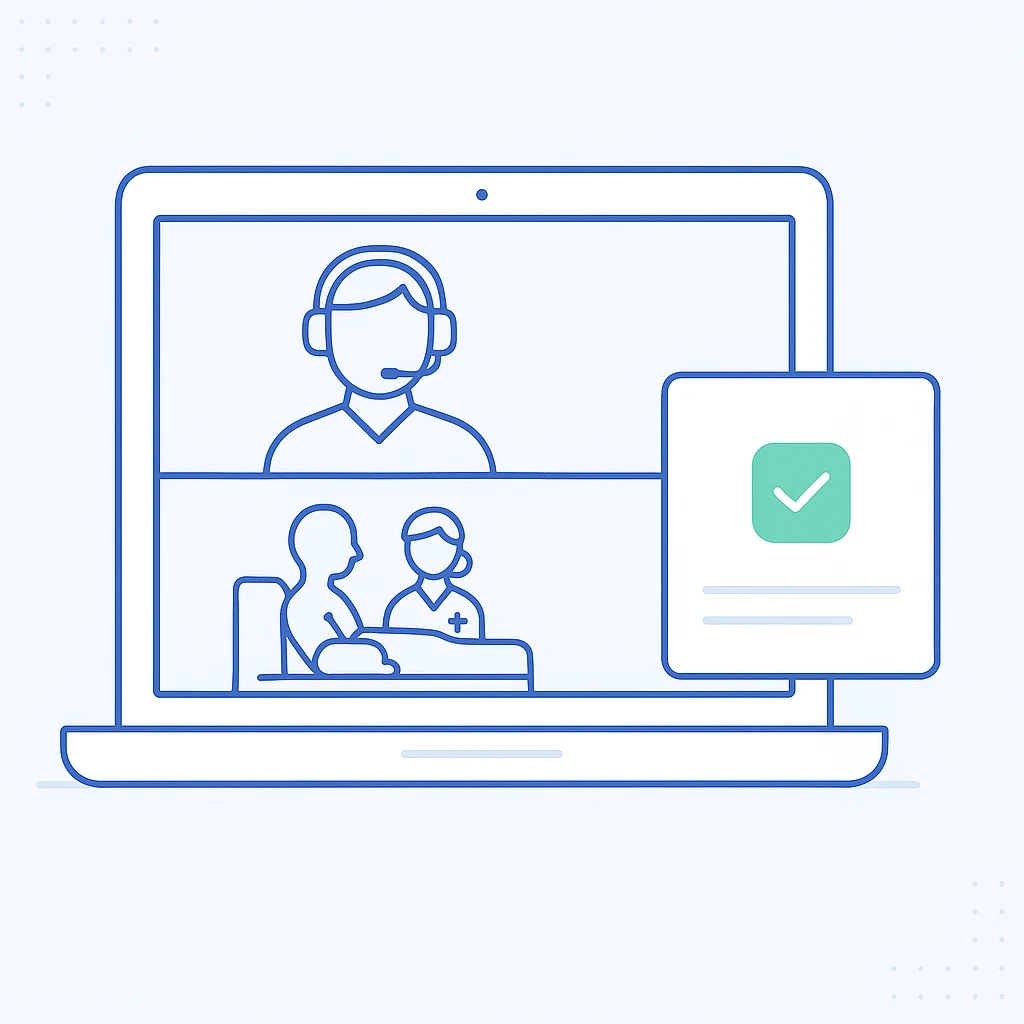
Dental offices use video for the conversations around the work, such as consultations, treatment plan reviews and follow-ups after a procedure. The patient does not have to be in the chair, so the dentist can talk from the office and the patient from home. The interpreter joins the link as a guest from anywhere in the US, which helps when no interpreter for the language works near the office.
Who takes part
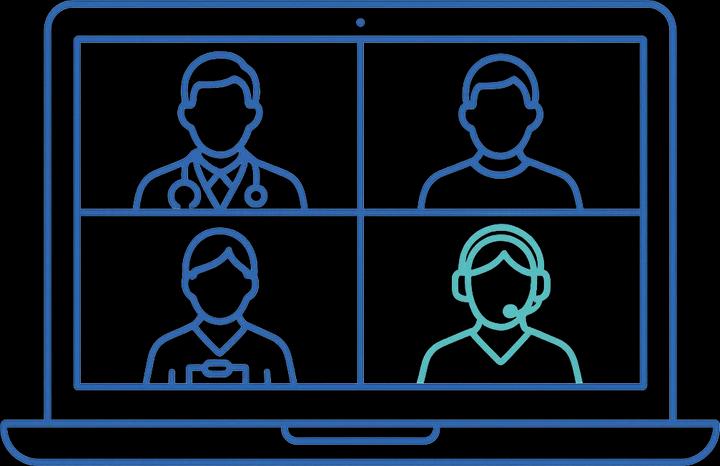
The dentist leads the call, and the patient answers and asks questions. A parent or relative may join from the same room or from another place, and office staff can join to answer questions about cost. The interpreter is on the call for everyone who speaks, and interprets each person's turn for the patient.
On the call5
DentistLeads the call
PatientAnswers and asks questions
Parent or relativeJoins from the room or another place
Office staffAnswer questions about cost
InterpreterOn the call for everyone who speaks
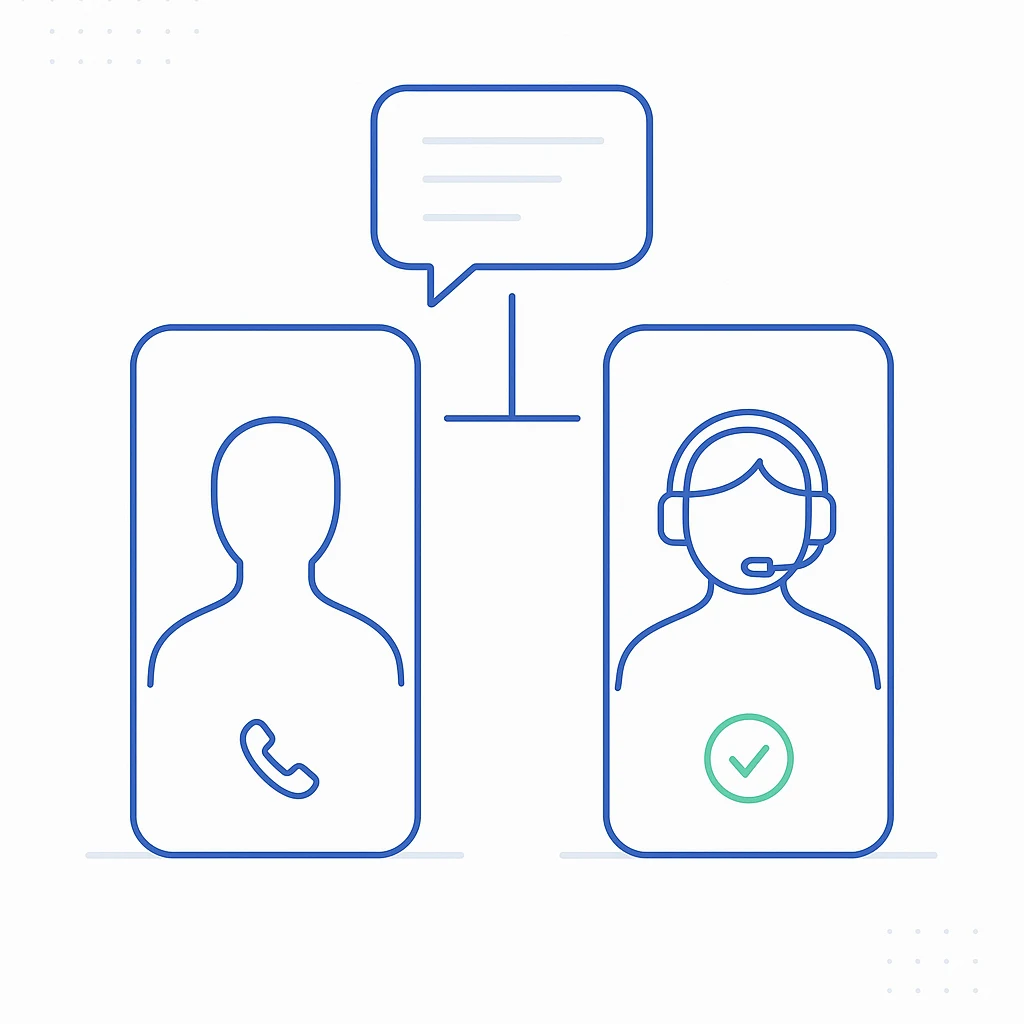
DentistInterpreterPatient
The interpreter's role
On the call, the interpreter interprets everything the dentist and the patient say, in both directions and in full, so the patient follows the plan as easily as an English speaker would. The dentist waits after each part, and any figure the staff give is interpreted as stated. The interpreter does not recommend a treatment or give an opinion, and keeps the call confidential.
Treatment names and tooth terms are easier to interpret with a list ahead of the call. Add the plan, the procedure names and the estimate to the booking notes in the dashboard, and the interpreter reads them before the call. In a plan review the dentist explains an option, the interpreter interprets, and the patient's questions are interpreted back, so the review takes longer than it would in English.
On-site, video or phone
Choosing between video, on-site and phone for dental visits
Video suits conversations that do not need the patient in the chair. When the work is at the chair, or a quick call will do, another setting fits better.
On-site
Book an interpreter in the office for an exam, a procedure or a consent talk before surgery.
Questions about video interpreters for dental offices
The ones we hear most often, answered by our dispatch and project-management teams.
Can't find it here?
01Can the interpreter join our office's video platform?
Yes, on Google Meet, Zoom or Microsoft Teams. If your office has no platform, ask for a Texliff room link and we add it to the project.
02Does the patient need to install anything?
The Texliff room opens in a browser with nothing to install. On Zoom, Microsoft Teams or Google Meet, the patient joins the way they usually do.
03Is the video call recorded?
Only if you ask, and connections are encrypted.
04What if the family speaks two languages besides English?
A booking covers English and one other language. The second language needs its own booking, which can share the same link.
05Which languages can a dental office book by video?
82 languages. Spanish, Mandarin, Vietnamese, Korean and Russian are the easiest to schedule. Rare languages such as Burmese or Pashto need more notice, and the interpreter can join from any state.
By language, session and organization
Video-remote interpretation by language, session and organization
One page per language, with the varieties we confirm at booking, the register the session needs and where that language is booked most.
Video-Remote Interpretation for Dentists by language